
With energy costs on the rise, many homeowners in Delmarva are looking for ways to reduce their utility bills. According to the U.S. Department of Energy, insulation and window replacements can save up to 15 percent and 10 percent on heating and cooling costs, respectively.
In this blog post, we will outline the steps you need to take in order to enhance your home’s energy efficiency with replacement windows in Delmarva and maximize savings on skyrocketing energy bills.
From government programs for incentives to affordable air sealing materials – we have got it all covered here! Are you ready for a more comfortable and efficient home? Let’s get started!
The Importance of a Home’s Energy Efficiency
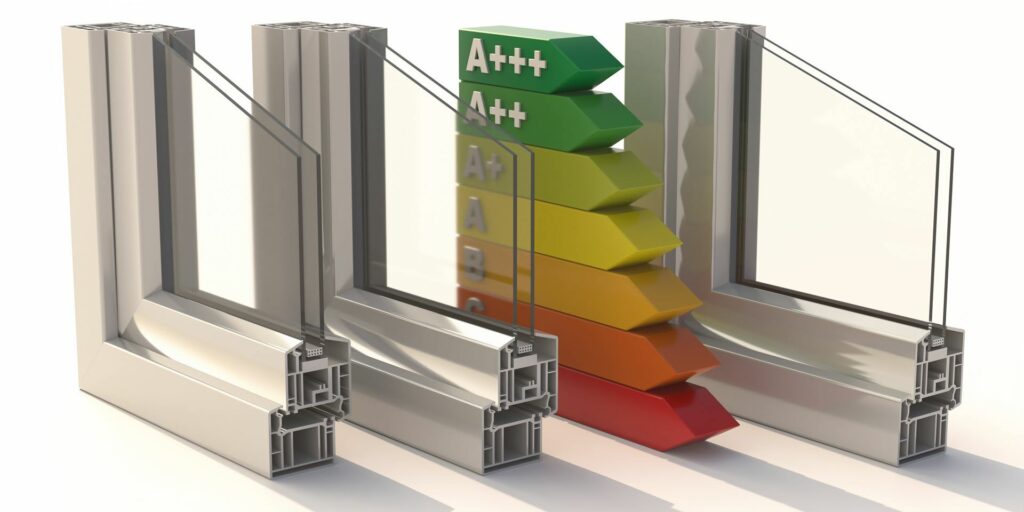
Making sure your home is energy efficient saves money, improves the environment, and increases comfort.
Benefits of energy efficiency
One key way to save on energy costs for homeowners is by increasing the energy efficiency of their homes. Not only does this offset some of the heating and cooling expenses, but better insulation also helps maintain a comfortable temperature all year round.
Energy-efficient windows in Delmarva can take advantage of natural sunlight while reducing heat loss—which accounts for 25 to 30 percent of heat losses from a home. Through reduced air infiltration, they keep out drafts that cause uneven temperatures in different rooms or levels of your house.
Plus, well-sealed frames help eliminate potential moisture problems due to condensation and high interior relative humidity levels during cold weather months, improving occupant comfort as well as indoor air quality.
Types of Replacement Windows
From energy-efficient glass to wood and vinyl frames, there are a variety of options to choose from when selecting the best replacement windows for your home.
Energy-efficient options
- Plastics: plastic is becoming increasingly popular as frame material due to its longevity and energy efficiency. Low-E (Low-emissivity) window frames are an ideal choice for those looking to increase their home’s energy efficiency.
- Vinyl: besides being cost-effective, vinyl window frames can help to reduce the amount of energy lost through a home’s windows. Not only do they offer good insulation, but they also come in a range of colors and designs that can be customized according to your taste and budget.
- Wood: wooden frames may require some maintenance in order for them to remain properly sealed, however when treated correctly these classic styles have excellent insulating qualities that maintain heat efficiently during winter months while blocking out excessive heat from direct sunlight or external elements which would otherwise enter into your home during summer time.
- GlazingOptions: single glazing offers little insulation against thermal transfer; however double glazed windows allow air pockets between two panes of glass which work as effective soundproofing materials as well as providing great insulated protection against hot or cold temperature.
- Shocks caused by the outside environment throughout all seasons with minimal upkeep required over time making it one of the most commonly used types off glazing on windows today due to its superior durability and long lasting versatility without compromising style aesthetics .
Materials used
When it comes to replacement windows on Delmarva, many homeowners are looking for materials that can provide them with energy efficiency and longevity. Notable options include Fibrex® material, wood, vinyl, aluminum-clad wood and composites.
- Fibrex® material is popular due its exceptional energy efficiency, durability and low maintenance needs.
- Wood windows are a great choice thanks to their high-quality construction which makes them highly durable and long-lasting if properly cared for over time.
- Vinyl offers great insulation properties while being sustainable yet cost – efficient simultaneously; main advantage being that they do not require painting like other window materials do occasionally or need expensive upkeeps unlike wood varieties in the market today..
- Aluminum clad lumber combines “the strength of real oak” with superior insulative performance created when one metal protects the inside corner from outside weather elements creating an airtight seal protecting against cold drafts coming through door frames from wet windy exterior conditions accounting as a sustainable choice especially during harsh winter times when most people want protection indoors however also keeping this frame looking elegant in style & Fashion every season all year long , adding clean lines hosting an unstoppable sophisticated kick appeal instantly ! {Just wanted to add:}
5. Composite frames bring together aspects of both fiberglass reinforced plastic mainly known (FRP) mixing combination resources typically consisting of rebuilt polyvinyl chloride powder specially made top coat finishes making these unique composite doors strong , robust & tough doing jobs many duel why’s leading towards higher thermal insulated climates achieving supreme soundproofing waterproof benefits at best admirations
Styles and designs
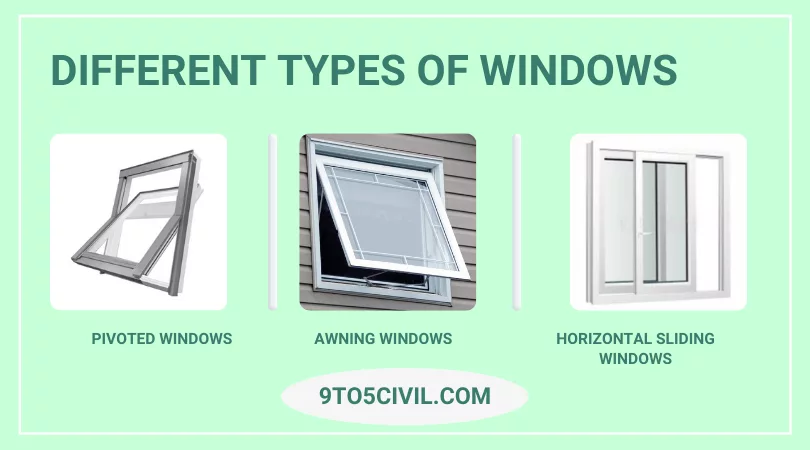
- Sliding windows: These windows slide open and close horizontally on tracks. They come in various glass sizes and shapes for effective energy savings.
- Bay or Bow windows: Designed with a series of three or more window units that project outward from the exterior wall, these expand the view of the outdoors while sheltering other elements to create an energy-efficient impact.
- Casement windows: These operate by a crank mechanism and allow airtight seal when closed, creating greater insulation which contributes to energy efficiency.
- Awning windows: Featuring an outward swing bottom edge, these are perfect for tight spaces and ventilation applications. When opened, they can provide superior aerodynamic performance for improved comfort levels in the home.
- Picture windows: These window types provide a wide angle “picture” of the outside environment to enhance outdoor views, but may not be suitable for some ventilation requirements in certain climates.
- Singleor double hung replacement windows: Featuring two operable sashes which slide up and down inside a frame made with rigid material like vinyl, aluminum or wood; providing exceptional cost savings while blocking outside temperatures increases indoor comfort levels from extreme cold or heat.
Government Programs for Energy Efficiency
Homeowners and renters in Delmarva can take advantage of government programs that offer financial assistance to improve energy efficiency such as the Delaware Weatherization Assistance Program, Home Performance with ENERGY STAR Program, and Delmarva Power Home Performance Program.
Delaware Weatherization Assistance Program
The Delaware Weatherization Assistance Program is an initiative administered by the Division of Climate, Coastal and Energy. It helps to reduce energy costs for low-income families in Delaware by providing weatherization services to them.
These services include improving insulation, installing draft guards around windows and doors as well as repairing or replacing heating/air conditioning systems, water heaters and other related equipment.
Additionally, grants are provided to states, territories and some Indian tribes under the program in order to improve energy efficiency in these households’ homes. Since its inception ,the program has been successful at reducing home energy bills for hundreds of Low-Income Households throughout Delaware.
Home Performance with ENERGY STAR Program
The Home Performance with ENERGY STAR program is designed to help homeowners improve their home comfort, energy efficiency and durability. This government-backed initiative advocates for sustainable home improvement practices, such as residential energy efficiency audits, energy saving measures and other green building standards.
The program offers qualified homeowners a comprehensive assessment of the home which includes visual inspection and diagnostic tests conducted by an experienced professional.
Their findings will outline energy saving improvements that can be made along with potential rebates if certain criteria are met for changes like increased insulation or installing Energy Star rated appliances.
Furthermore, participating contractors can provide recommendations on how to implement those improvements in order to achieve greater comfort and savings from lower utility bills each month.
Delmarva Power Home Performance Program
The Delmarva Power Home Performance Program is designed to improve energy efficiency in homes and reduce energy bills through the installation of replacement windows.
Through the comprehensive Home Energy Assessment, residents can receive visual inspections, diagnostic tests and expert advice on weatherproofing their home as part of this government-supported program.
The assessments also include an evaluation of each room’s airtightness, insulation levels and other factors that can affect home comfort. This aspect helps identify energy leaks or “hot spots” around the house which may be causing high energy bills.
Residents enjoy lower monthly energy consumption costs by making upgrades recommended from the assessment while still taking advantage of Delaware’s Weatherization Assistance Program for additional support if their income qualifies them for financial assistance.
How Replacement Windows Can Enhance Energy Efficiency
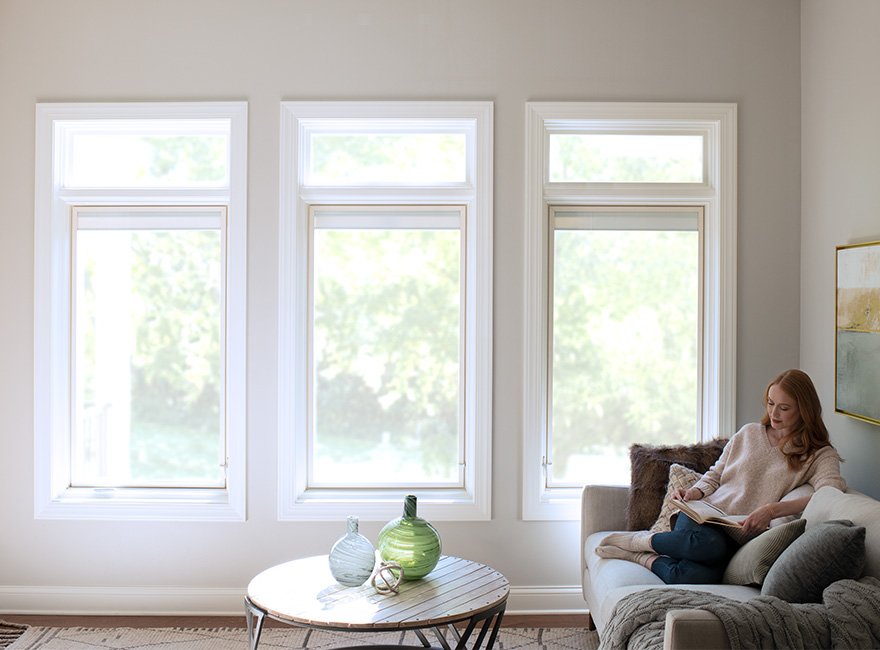
Replacement windows that are energy efficient not only provide improved insulation, but they can also help save money on energy bills.
Improved insulation
Insulated windows are a great way to increase energy efficiency in areas of Delmarva as they prevent the transfer of heat. Installing insulated replacement windows can lower the cost of heating and cooling while increasing energy conservation.
Insulated windows reduce air leakage which causes drafts, improves insulation performance in walls and ceilings, reduces unwanted noise from outside sources, and decreases long-term costs associated with excessive outdoor temperatures.
Additionally, this type of window provides superior flow control for hot or cold air entering the house when compared to single-pane alternatives.
The result is an even thermal environment that maintains comfortable temperatures year round while cutting both monthly utility bills and environmental impact through improved energy use efficiency.
Cost-savings on energy bills
Replacing windows with energy-efficient models is one of the best ways to increase your home’s energy efficiency and reduce overall expenses. Upgrading to ENERGY STAR certified windows can save homeowners up to $583 per year on utility bills.
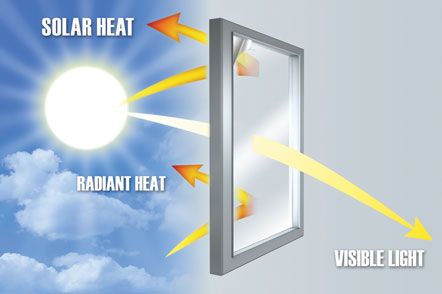
These windows are specifically designed and tested to provide superior insulation, reducing the transfer of heat from both inside and outside the home.
This improved insulation helps keep air conditioned or heated air inside where it belongs while blocking out noise and pollutants that could enter through single-pane windows.
Energy-efficient windows also offer other benefits such as increased comfort, longer life spans for window components, fewer maintenance requirements due to rugged materials like vinyl, fiberglass, and aluminum frames.
Taking Action for a More Energy-Efficient Home
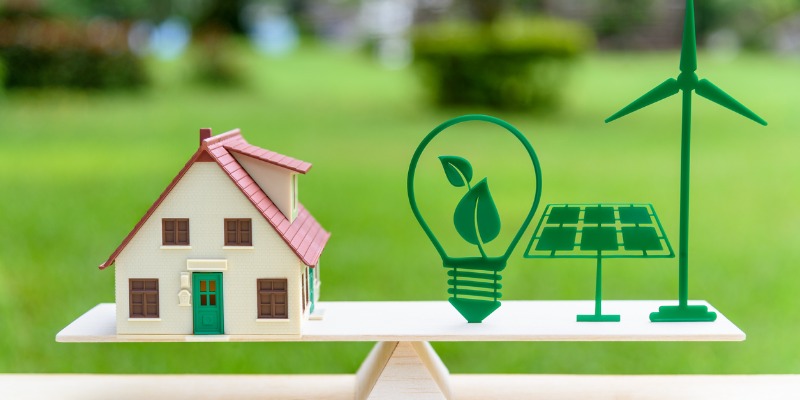
Homeowners have a variety of options when it comes to making their residences more energy efficient. A starting point is weatherproofing the home: adding additional insulation, caulking and sealing windows and door frames, or upgrading aging appliances can dramatically decrease the amount of energy needed to keep your house at a comfortable temperature.
Government programs also exist to help lower-income families take items such as an Energy Performance Assessment where qualified technicians review how energy-efficient components are functioning in the home for a discounted cost–
Delmarva Power’s Home Performance with ENERGY STAR Program pays up to half of that cost.
Through this program, Delaware residents may choose from various benefits including air sealant improvements and installation of water conservation fixtures.
A big factor in creating balanced internal temperatures year round is having reliable windows that are not only aesthetically pleasing but capable of retaining heat loss during colder months and reducing hot sun exposure during warm seasons.